
2026-09-14 ·
Protecting Wood Framing From Mold in Mountain-View Homes
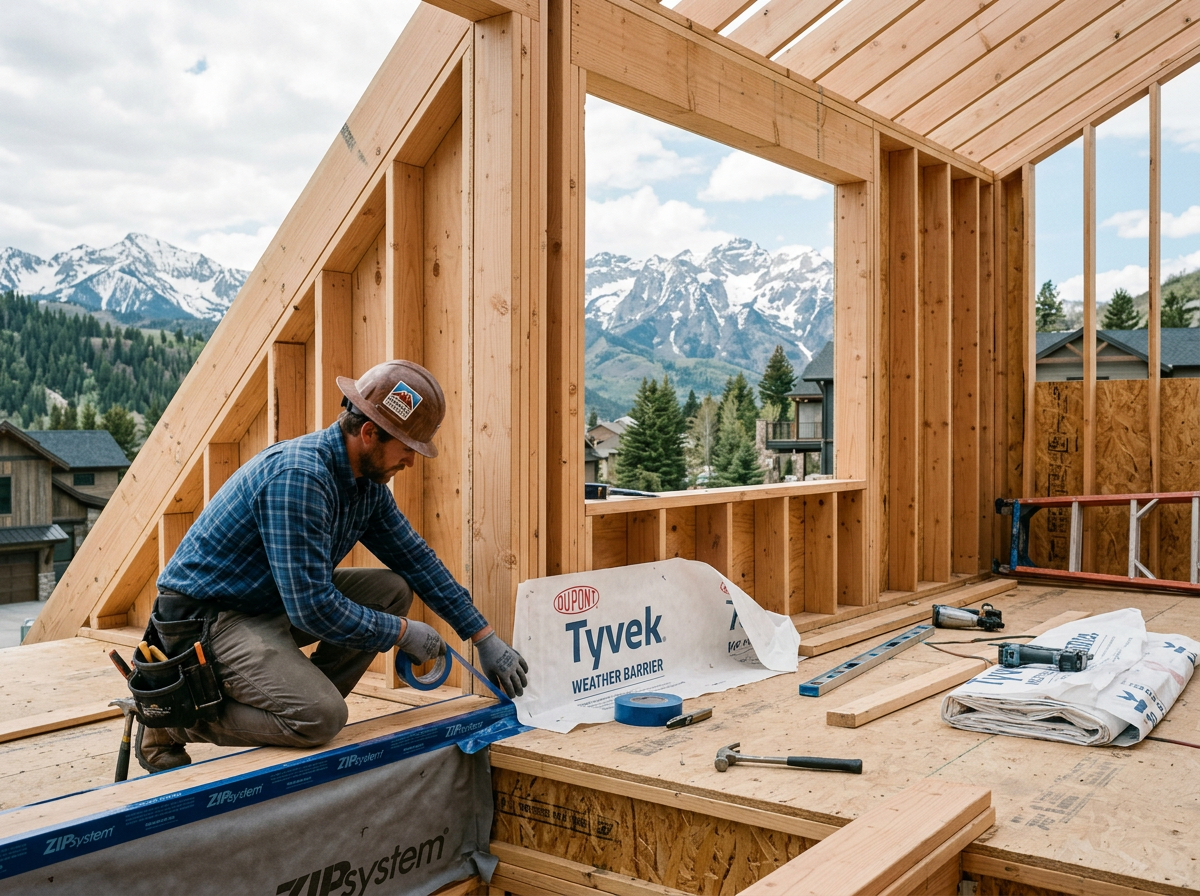
In Utah mountain-view homes, wood framing stays protected when leaks are stopped within 24-48 hours and indoor relative humidity stays below 55 percent during winter inversions. This approach targets the mechanical failures that introduce moisture into arid environments rather than relying on surface cleaning alone. Finished basements on slab foundations, tight building envelopes, and swamp coolers left undrained create hidden conditions where framing absorbs water slowly over weeks or months.
Common Moisture Entry Points in Mountain Homes
Utah's dry climate means mold rarely appears without a specific failure such as a burst supply line, frozen pipe at 32°F, ice dam on the roof, or leaking appliance hose. Winter over-humidification from poor ventilation allows condensation on cold exterior walls, while swamp coolers add summer moisture when drain lines clog. Finished basements hide slow slab leaks that reach sill plates and joists. These sources differ from coastal humidity problems because they start suddenly and stay localized until the underlying issue is corrected. Homeowners who inspect supply lines, water heaters, and roof penetrations each season catch problems before framing moisture content rises above safe levels.
Insulating Pipes and Sealing Envelopes
Pipe insulation rated R-3 or higher prevents freezing on exterior walls and in crawl spaces common to mountain-view construction. Wrapping hot and cold lines near north-facing walls reduces condensation that drips onto rim joists. Sealing gaps around windows and doors limits winter inversion moisture from reaching framing cavities. In homes near Park City or Heber City, adding vapor retarders on the warm side of insulation stops interior humidity from migrating into cold sheathing. These steps address the tight-envelope conditions that trap moisture once it enters rather than allowing it to dry naturally.
Humidity Control and Ventilation Practices
Keeping indoor relative humidity between 40 and 50 percent during heating season limits mold risk on framing. Exhaust fans in bathrooms and kitchens should run long enough to remove steam before it condenses on exterior walls. Dehumidifiers placed in finished basements pull excess moisture from slab-adjacent wood when swamp coolers are not in use. Homeowners who monitor levels with a simple hygrometer notice spikes after roof leaks or appliance failures and respond before visible growth appears. Consistent control works better than periodic deep cleaning because it prevents the repeated wetting that allows mold to establish on framing.
Responding to Water Events Quickly
After any water event, extract standing water and dry affected framing within 48 hours to stay ahead of mold colonization. Remove wet insulation and drywall that contact wood so air can reach the lumber. Fans and dehumidifiers directed at joists and studs speed moisture removal in enclosed spaces. For larger events involving multiple rooms, professional equipment from a mold remediation team ensures hidden cavities behind cabinets or in crawl spaces reach safe dryness levels. Delaying action allows moisture to wick into sill plates and headers that are difficult to access later.
Professional Assessment and Ongoing Maintenance
When moisture has already reached framing, a thorough inspection identifies the full extent before repairs begin. Technicians use moisture meters on joists and sheathing to locate pockets that visual checks miss. Water damage and moisture control services address both the leak source and the drying process in one coordinated effort. Homeowners in Springville and surrounding mountain areas can review typical project variables in the article Cost Factors for Mold Remediation in Springville Homes to understand scope before scheduling work. Regular seasonal checks of pipes, roofs, and humidity levels keep framing dry without repeated interventions.