
2026-09-14 ·
When to Call for Professional Mold Assessment After a Leak
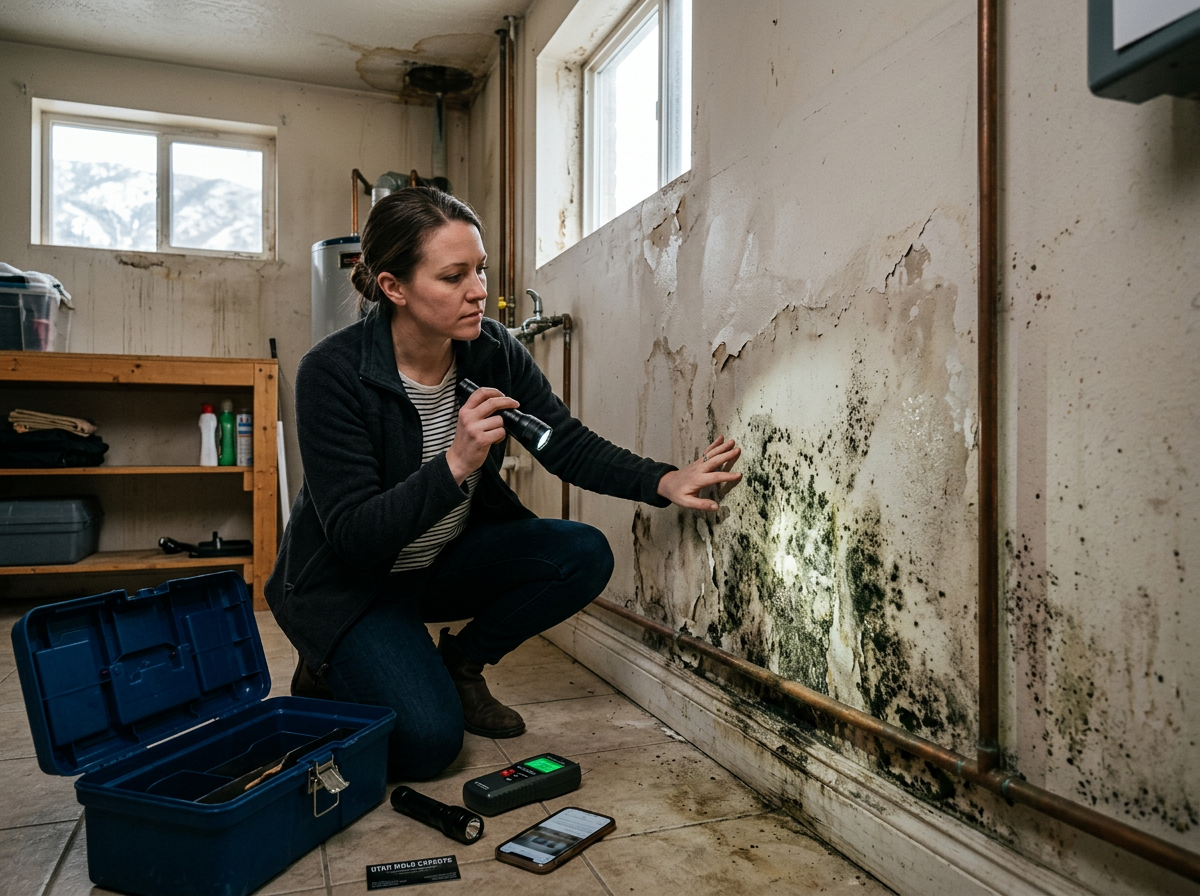
Professional mold assessment becomes necessary once water from a leak has remained present for more than 48 hours without complete drying. In Utah's dry climate, most mold follows mechanical failures such as frozen supply lines or undrained swamp coolers rather than ambient humidity alone. Homeowners in Springville notice issues first in finished basements on slab foundations where slow leaks stay concealed behind drywall or under flooring.
Timing After Water Exposure
Water events in Utah often start with burst pipes during winter freezes or leaking appliance hoses. Once standing water or damp materials exceed 48 hours, spores find enough moisture to colonize. Homeowners should track the exact start of the leak and measure indoor humidity levels above 55 percent with a simple meter. If dehumidifiers and fans fail to drop readings below 50 percent within two days, assessment prevents hidden colonies from spreading along cold exterior walls during inversion events. Finished basements hide moisture longest because slab-on-grade construction traps vapor beneath vinyl or carpet.
Common Utah Leak Sources
Frozen supply lines account for many winter calls in Springville because uninsulated pipes in exterior walls reach 32 degrees Fahrenheit overnight. Swamp coolers left undrained through summer add another source when mineral buildup cracks the pan and allows constant seepage. Roof leaks around ice dams appear in spring once meltwater backs up under shingles. Appliance hoses behind washers and refrigerators fail without warning after 5 to 7 years, saturating subfloors in laundry rooms. Each of these sources creates localized wet pockets that standard fans rarely reach.
Limits of DIY Drying
Cleaning visible surfaces without locating the original moisture source allows regrowth within weeks. Utah homes with tight building envelopes trap humidity against cold sheathing during winter, so surface wiping leaves wall cavities damp. Homeowners can run dehumidifiers and check for musty odors, yet drywall that feels cool to the touch often indicates hidden saturation. When moisture readings stay elevated after three days of active drying, professional equipment such as moisture meters and thermal imaging reveals the full extent. Mold inspection and testing services locate these pockets before removal begins.
When to Schedule Assessment
Contact specialists if any leak affects more than one room, saturates insulation, or occurs in a finished basement. Persistent humidity above 60 percent after attempted drying also signals the need for assessment. Homes near Utah Lake experience additional risk from high water tables that keep crawl spaces damp year-round. Water damage and moisture control teams use targeted extraction that reaches behind baseboards and under cabinets. Delaying assessment allows colonies to form on wood framing within 72 hours in poorly ventilated spaces.
Next Steps for Homeowners
Document the leak date, affected materials, and any drying attempts with photos and humidity logs. Remove porous items such as carpet padding or ceiling tiles that cannot be dried within 48 hours. Keep HVAC systems off until assessment confirms no spores have entered ducts. Readers facing repeated moisture issues in Springville homes may review cost factors for mold remediation in Springville homes to understand typical project scopes. Early assessment limits the area requiring remediation and protects adjacent rooms from cross-contamination.